Source Industrial Electric Pasta Making Machine for Noodle, Macaroni, and Pet Food
Find and compare 30 Industrial Electric Pasta Making Machine options from Chinese manufacturers. Evaluate models like DLG110/160 and TLSE Series for capacities up to 300kg/hour, featuring Siemens motors and 304 stainless steel construction for food processing applications.
Key considerations
Products List


Pasta Machine Energy Saving Industrial 304 Food Grade Pasta Making Equipment
$10000.00 - $20000.00
MOQ: 1 Pieces

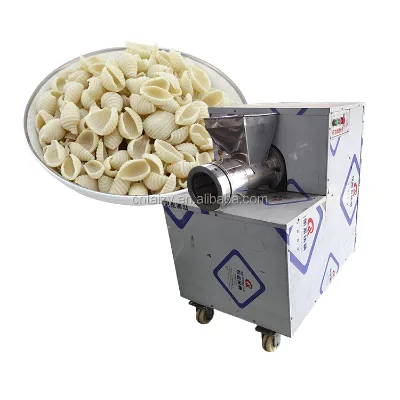
Single Screw Industrial Pasta Making Machine Multigrain Hollow Pasta Machine
$600.00 - $2000.00
MOQ: 1 Pieces


Hot Selling Pasta Making Machine Commercial Automatic Electric Pasta Making Machine
$8000.00 - $35000.00
MOQ: 1 Pieces


Automatic Electric Industrial Pasta Making Machine Italy Macaroni Pasta Extruder Production Line
$21000.00 - $22000.00
MOQ: 1 Pieces


Comprehensive Sourcing Guide
Industrial Electric Pasta Making Machine Sourcing Guide
Sourcing an Industrial Electric Pasta Making Machine requires a disciplined approach to aligning technical capabilities with production volume and quality standards. The market offers a diverse range of equipment, from compact units suitable for small-scale artisanal production to high-capacity systems designed for large-scale manufacturing. Buyers must navigate a landscape where specifications vary significantly, particularly regarding output capacity, which can range from 150kg/Hour to 300kg/Hour depending on the model and configuration. Understanding these baseline metrics is essential for determining whether a specific machine can meet your facility’s throughput requirements without creating bottlenecks in the downstream drying or packaging stages.
The procurement process is further complicated by the variety of customization options available, which directly impact the final product’s consistency and versatility. Many manufacturers offer machines that allow for shape changes via mold adjustments, enabling producers to switch between different pasta types such as macaroni, noodles, or other extruded forms without extensive downtime. This flexibility is a critical factor for businesses looking to diversify their product lines. However, this customization often comes with specific technical requirements for motor brands, electrical components, and material grades, necessitating a thorough review of the machine’s bill of materials and operational parameters before committing to a purchase.
Product Scope and Observed Listing Signals
The current market for industrial pasta equipment presents a wide price range, typically observed between $300 and $60,000 USD, reflecting the disparity between basic manual-assist units and fully automated production lines. This variance is driven by factors such as the degree of automation, the quality of raw material contact surfaces, and the inclusion of auxiliary processes like concentration and drying. For instance, some listings highlight models with outputs of 150-250kg/Hr, while others specify higher capacities up to 300kg/Hour. Buyers should interpret these price points as indicative of the machine’s complexity and integration level rather than a fixed cost, as final pricing often depends on specific configuration choices and shipping terms.
Listing signals also reveal important details about the machine’s construction and operational environment. A significant number of units are constructed from 304 Stainless Steel, ensuring compliance with food safety standards and durability in wet processing environments. Others may utilize general steel or specialized alloy steels for critical components like screws, which are noted for their long lifetime and resistance to wear. The power source is consistently electric, with specific models operating on 220V systems and consuming approximately 1.5kw of power. These electrical specifications are vital for facility planning, as they determine the necessary infrastructure upgrades required to support the new equipment safely and efficiently.
Technical Specifications to Verify
When evaluating technical specifications, the motor and electrical component brands are primary indicators of reliability and performance consistency. High-end models often feature motors from Siemens and electrical parts from ABB, which are recognized for their durability and precision in industrial settings. These brands contribute to the machine’s overall stability, reducing the risk of unexpected downtime due to component failure. Buyers should verify that these specific brands are included in the quotation, as cheaper alternatives may compromise the machine’s ability to maintain consistent extrusion pressure and speed, which are crucial for uniform pasta texture and shape.
The physical dimensions and packing standards of the machine are equally important for logistics and facility layout planning. Standard models may have dimensions such as 2200X1000X1700mm or 500470780mm, depending on the specific series, such as the DLG110/160 or SR-MSJ. These dimensions dictate the floor space required for installation and maintenance access. Additionally, machines are typically packed in wooden cases or wooden packing to protect against transit damage, with shipping standards often aligned with 20FT or 40FT container sizes. Verifying these details ensures that your facility has adequate space and that the equipment can be transported and installed without logistical complications.
Compliance and Safety Documentation
Compliance with international safety and quality standards is a non-negotiable aspect of sourcing industrial food processing equipment. Most reputable suppliers provide CE certification, which indicates that the machine meets European health, safety, and environmental protection standards. This certification is particularly important for buyers operating in or exporting to regions that require strict adherence to machinery directives. Buyers should request copies of the CE certificates and verify their validity with the issuing body to ensure that the documentation is authentic and up-to-date. This step mitigates legal risks and ensures that the equipment can be legally operated in your jurisdiction.
Beyond certification, the provision of machinery test reports is a critical indicator of the manufacturer’s commitment to quality assurance. These reports typically include data on performance tests, such as output consistency, power consumption, and noise levels, which are often highlighted as advantages like "Low Noise High Production." Buyers should insist on receiving these test reports before finalizing the purchase, as they provide objective evidence of the machine’s capabilities. Additionally, verifying that the machine is in "New" condition and comes with a warranty, such as a 1-year period after engineer-finished installation, provides an additional layer of protection against manufacturing defects.
Cost Drivers and Commercial Terms
The total cost of ownership for an industrial pasta making machine is influenced by several commercial terms, including supply ability and warranty conditions. Suppliers often advertise supply abilities such as 500 sets per month, which indicates their production capacity and potential lead times. Buyers should assess whether the supplier’s production capacity aligns with their procurement timeline, especially if they are ordering multiple units or require rapid deployment. The weight of the machine, which can be around 115kg for certain models, also impacts shipping costs and handling requirements, so these factors should be included in the initial cost analysis.
Warranty and after-sales support are significant components of the commercial agreement. A standard warranty of 1 year after engineer-finished installation suggests that the supplier provides technical support during the critical initial operational phase. Buyers should clarify the scope of this warranty, including whether it covers parts, labor, and travel expenses for engineers. Additionally, the availability of customization services allows buyers to tailor the machine to specific needs, but this may incur additional costs. Understanding these commercial terms helps in budgeting for both the initial purchase and the long-term operational expenses associated with maintenance and support.
Supplier Qualification and Quality Control
Supplier qualification involves verifying the manufacturer’s origin and production capabilities to ensure reliability and consistency. Many industrial pasta machines originate from China, with specific hubs like Jinan or Henan being notable production centers. Buyers should conduct due diligence on the supplier’s background, including their experience in manufacturing food processing equipment and their track record with international clients. The use of automatic grade machinery and specialized raw materials, such as wheat flour, indicates a focus on food-grade production standards. Verifying these aspects helps in selecting a supplier that can consistently deliver high-quality equipment.
Quality control measures should be integrated into the procurement process to minimize the risk of receiving substandard equipment. Buyers should request detailed specifications of the screw materials, such as 38CrMoAl Alloy Steel, which is known for its longevity and resistance to wear. This material choice is critical for maintaining the integrity of the pasta extrusion process over time. Additionally, buyers should inquire about the supplier’s quality control protocols, including pre-shipment inspections and testing procedures. Establishing clear quality expectations and verification steps ensures that the purchased machine meets the required performance standards and reduces the likelihood of post-installation issues.
Long-Term Procurement Checks
Long-term procurement success depends on establishing a robust maintenance and support framework for the industrial pasta making machine. Buyers should develop a preventive maintenance schedule that includes regular inspections of the motor, electrical components, and screw mechanisms. Given the high-stress nature of pasta extrusion, components like the screw, made from durable alloy steel, require periodic checks for wear and tear. Proactive maintenance extends the machine’s lifespan and ensures consistent product quality, reducing the risk of costly downtime and production losses.
Furthermore, buyers should maintain open lines of communication with the supplier for ongoing technical support and spare parts availability. The ability to quickly source replacement parts, such as molds for changing pasta shapes, is essential for maintaining operational flexibility. Buyers should also stay informed about any updates or improvements in pasta making technology that could enhance their production efficiency. By treating the procurement process as a long-term partnership rather than a one-time transaction, buyers can maximize the value of their investment and ensure sustained operational excellence in their food processing operations.
FAQs
What is the output capacity of the pasta making machine?
The machine offers output capacities of 150kg/Hour and 300kg/Hour depending on the specific model selected. These figures represent the production rate for processing wheat flour into pasta products efficiently.
Which motor brands are used in this industrial equipment?
Siemens is the specified motor brand used in this industrial pasta making machine. The electric parts also utilize ABB components to ensure reliable operation and high performance during continuous food processing tasks.
Can the machine be customized for specific production needs?
Yes, customization is available for this Industrial Electric Pasta Making Machine to meet specific buyer requirements. The machine allows for changes in pasta shapes using different molds and supports customized configurations for various applications.
What material is used to construct the machine body?
The machine is constructed from 304 Stainless Steel to ensure hygiene and durability in food processing environments. Some components like the screw materials use 38CrMoAl Alloy Steel for a long lifetime during operation.
What certifications does the pasta making machine hold?
The machine holds CE certification as a standard compliance requirement for this equipment. This ensures the product meets essential safety and health requirements for use in food processing applications within relevant markets.
How is the machine packed for shipping from China?
The machine is packed in wooden cases or wooden packing to ensure safe transport from the origin in China. This robust packaging method protects the equipment during international shipping to various global destinations.
What is the warranty period for the new machine?
The machine comes with a one-year warranty after the engineer finishes the installation process. This coverage ensures support for the new equipment during its initial operational phase in the buyer's facility.